-
horses
-
Anti-shock safety electric fencing
- Electrified tapes
- 40mm tape accessories
- 20mm tape accessories
- 13mm tape accessories
- 40mm tape corner insulators
- 40mm tape tensioners with contact
- 40mm tape spacers
- Posts
- Fibreglass anti-shock posts
- Accessories: handles, buckles, switches
- Electrical connection: cables and earth stake
- Electrical accessories: tester, battery and solar panel
- Energisers - Professional Line
- NEMTEK ultra-tech energisers
- Bipolar tape: the big innovation
- Easykit - kit for small enclosures
- Electric fencing applications
- Anti-shock safety fence
- Drought? What to do for optimal electric fence operation
- Iron Fencing
- Recycled Plastic Fencing
- Wooden Fencing
- Catalyst enzymes
-
Rubber mat flooring
- MAT10 for boxes, aisles and wash bays
- MAT170 for boxes, aisles and wash bays
- Mat for trailer and van ramps
- MAT5XL for paddocks
- Liquid rubber: overview
- Wall rubber - wall mats
- Rubber and coir doormats
- MAT130 for boxes
- Rubber granules for synthetic surfaces
- Sanitising cleaner for mats
- Rubber granules for riding arenas
- Anti-waste nets
- Drinkers, feeders and float valves
- Insect and rodent control
- For your horse
- Hay racks
- Fence: mobile panels and shelters
- Multi-purpose tunnels for storage
- Stables, boxes, frontages and shelters
- Wire mesh for fencing
-
Anti-shock safety electric fencing
-
dogs cats
-
Wild animals
-
livestock
-
Cattle
-
Electric fencing
- Fencing overview
- Anti-shock safety fence
- Electrified tapes
- 40mm tape accessories
- 20mm tape accessories
- 13mm tape accessories
- Electrified ropes
- Rope accessories
- Fibreglass anti-shock posts
- Wooden posts
- Accessories: handles, buckles, switches
- Electrical accessories: tester, battery and solar panel
- Electrical connection: cables and earth stake
- Energisers
- Assembly instructions
- Hay feeders
- Panel fencing
- Handling, barn and pasture equipment
- Rubber flooring
- Enzymes - Odour eliminator
- Insect and rodent control
- Multi-purpose tunnel coverings
- Wire mesh for fencing
- Cactus Protector mesh
- Traps for flies, wasps and hornets
-
Electric fencing
-
Sheep and goats
- Hay feeders
-
Electric fencing
- Fencing overview
- Electrified nets
- Electrified tapes
- 40mm tape accessories
- 20mm tape accessories
- 13mm tape accessories
- Fibreglass anti-shock posts
- Wooden posts
- Various accessories
- Electrical connection
- Bipolar tape
- Bipolar tape accessories
- Energisers
- Electrical accessories
- Anti-shock safety fence
- The most powerful energiser
- The earth connection
- How to calculate the fence
- Troubleshooting
- Assembly instructions
- Cactus Protector mesh
- Panel fencing
- Catch panels
- Multi-purpose tunnel coverings
- Catalyst enzymes
- Rubber flooring
- Insects and environment
- Traps for flies, wasps and hornets
- Tanks and cisterns
- Valves and floats
- Wheelbarrows and feed/hay carts
- Farmyard & poultry animals
- Pigs
- Biosecurity
- Llamas and alpacas
- Snail farming
- Controllo di insetti e roditori
- Traps for flies, wasps and hornets
-
Cattle
-
For your business
- Eco-line
- Home
-
- products
- horses
- Anti-shock safety electric fencing
- Electrified tapes
- 40mm tape accessories
- 20mm tape accessories
- 13mm tape accessories
- 40mm tape corner insulators
- 40mm tape tensioners with contact
- 40mm tape spacers
- Posts
- Fibreglass anti-shock posts
- Accessories: handles, buckles, switches
- Electrical connection: cables and earth stake
- Electrical accessories: tester, battery and solar panel
- Energisers - Professional Line
- NEMTEK ultra-tech energisers
- Bipolar tape: the big innovation
- Easykit - kit for small enclosures
- Electric fencing applications
- Anti-shock safety fence
- Drought? What to do for optimal electric fence operation
- Iron Fencing
- Recycled Plastic Fencing
- Wooden Fencing
- Catalyst enzymes
- Rubber mat flooring
- MAT10 for boxes, aisles and wash bays
- MAT170 for boxes, aisles and wash bays
- Mat for trailer and van ramps
- MAT5XL for paddocks
- Liquid rubber: overview
- Wall rubber - wall mats
- Rubber and coir doormats
- MAT130 for boxes
- Rubber granules for synthetic surfaces
- Sanitising cleaner for mats
- Rubber granules for riding arenas
- Anti-waste nets
- Drinkers, feeders and float valves
- Insect and rodent control
- For your horse
- Hay racks
- Fence: mobile panels and shelters
- Multi-purpose tunnels for storage
- Stables, boxes, frontages and shelters
- Wire mesh for fencing
- Anti-shock safety electric fencing
- dogs cats
- livestock
- Cattle
- Electric fencing
- Fencing overview
- Anti-shock safety fence
- Electrified tapes
- 40mm tape accessories
- 20mm tape accessories
- 13mm tape accessories
- Electrified ropes
- Rope accessories
- Fibreglass anti-shock posts
- Wooden posts
- Accessories: handles, buckles, switches
- Electrical accessories: tester, battery and solar panel
- Electrical connection: cables and earth stake
- Energisers
- Assembly instructions
- Hay feeders
- Panel fencing
- Handling, barn and pasture equipment
- Rubber flooring
- Enzymes - Odour eliminator
- Insect and rodent control
- Multi-purpose tunnel coverings
- Wire mesh for fencing
- Cactus Protector mesh
- Traps for flies, wasps and hornets
- Electric fencing
- Sheep and goats
- Hay feeders
- Electric fencing
- Fencing overview
- Electrified nets
- Electrified tapes
- 40mm tape accessories
- 20mm tape accessories
- 13mm tape accessories
- Fibreglass anti-shock posts
- Wooden posts
- Various accessories
- Electrical connection
- Bipolar tape
- Bipolar tape accessories
- Energisers
- Electrical accessories
- Anti-shock safety fence
- The most powerful energiser
- The earth connection
- How to calculate the fence
- Troubleshooting
- Assembly instructions
- Cactus Protector mesh
- Panel fencing
- Catch panels
- Multi-purpose tunnel coverings
- Catalyst enzymes
- Rubber flooring
- Insects and environment
- Traps for flies, wasps and hornets
- Tanks and cisterns
- Valves and floats
- Wheelbarrows and feed/hay carts
- Farmyard & poultry animals
- Pigs
- Biosecurity
- Llamas and alpacas
- Snail farming
- Controllo di insetti e roditori
- Traps for flies, wasps and hornets
- Cattle
- Wild animals
- For your business
- Eco-line
- Per La Tua Sicurezza
- horses
- products
Biological fly control
Biological fly control
The protocol is a series of measures and operations to be carried out in order to eliminate or significantly reduce flies in a location.
Here the protocol
INTEGRATED FLY CONTROL FLYMIX
Flies are insects that are very widespread in most habitats, particularly where there is greater availability of organic substrates. In various environments, when flies exceed certain population levels, they can cause various inconveniences and issues that can be summarized as:
• discomfort to animals and operators with negative effects on production and work performance
• economic losses in farms
• discomfort for urban areas located near structures favorable to insect development
• possible transmission of diseases and related reports and inspections by health authorities.
A biological solution that respects agriculture, livestock farming and the environment.
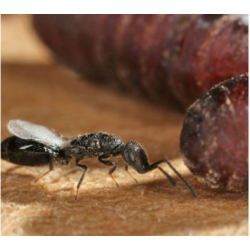
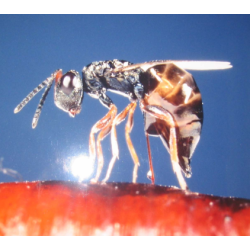
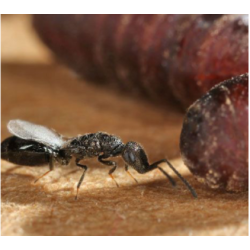
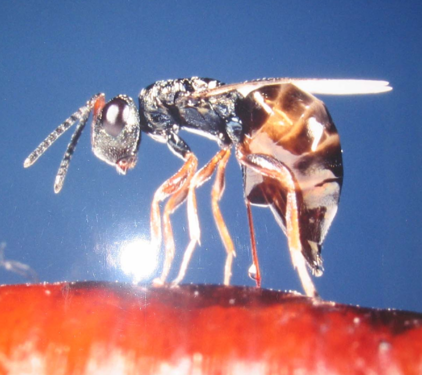
Biological control is effective against all types of flies and, in particular, against the housefly, livestock fly and blood-feeding fly that bites and sucks blood. The cornerstone of the Program is the use of beneficial insects (also called parasitoids), which are small hymenopterans, natural antagonists of flies, completely harmless to humans, animals and plants. The selected hymenopterans are able to interrupt the biological cycle of the fly by drastically reducing harmful infestations.
How beneficial insects work
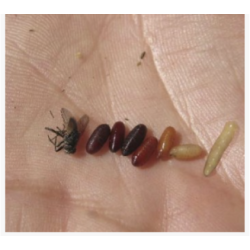
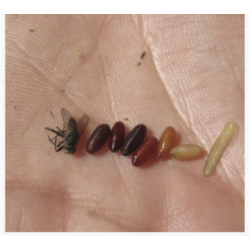
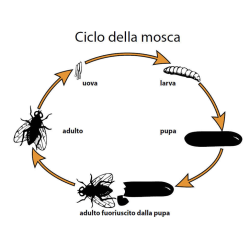
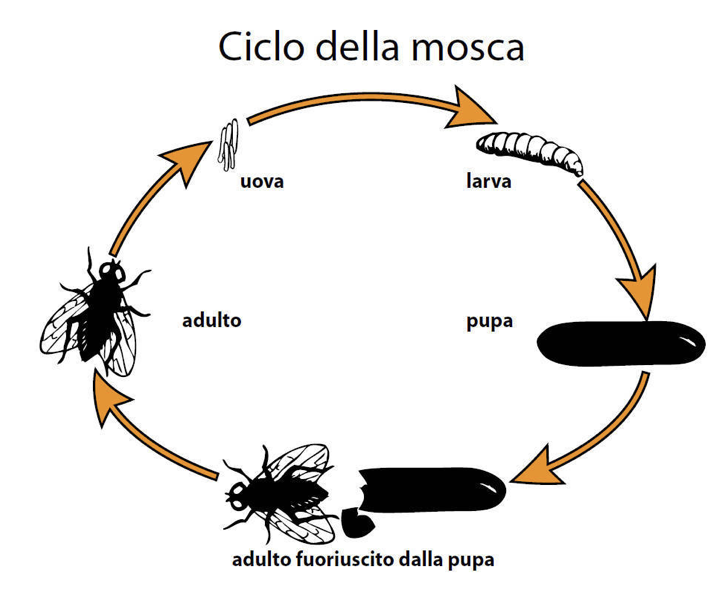
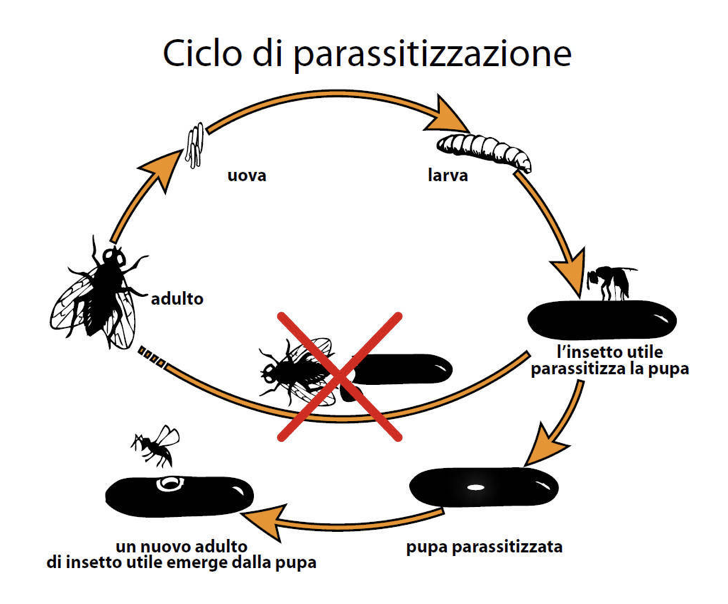
Biological control acts on the pupal stage of the fly. Control is mainly achieved through periodic releases every 28 days of Beneficial Insects, Spalangia and Muscidifurax spp, whose reproduction cycle occurs solely within the fly pupa which, parasitized, does not complete its life cycle and dies. From the pupa emerges the adult of a new beneficial insect that restarts the cycle. The beneficial insects are delivered to you in special sealed but breathable bags.
The distribution method is manual, scattered, mainly on the edges of the bedding and/or in the manure pile. In this regard, each time bedding or manure is removed, it is recommended to leave a border to create an area where parasitoids can continue to live undisturbed.
Parasitoids are absolutely harmless to humans, animals and plants. They live about one month and reproduce within bedding and manure piles. They do not transmit diseases.
UP TO A MAXIMUM OF 100 LINEAR METRES - 10 BOXES
There are 6 products.
Showing 1-6 of 6 item(s)
Active filters