No products available yet
Stay tuned! More products will be shown here as they are added.

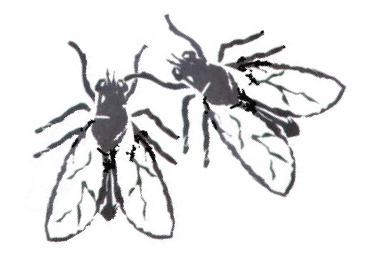
What is a protocol: it is a series of measures and operations to be carried out, in this case to eliminate or significantly reduce flies in a specific location. There are different types of flies, but they all more or less have a fairly similar life cycle: to achieve good control we must act on multiple levels with a certain consistency and precision precisely to prevent them from:
What we must do: create an environment unsuitable for their life, consistency in treatments.
starting in time means beginning with treatments before colonies are created: it depends on the areas but in any case you should always start in April (or earlier), with all these actions:
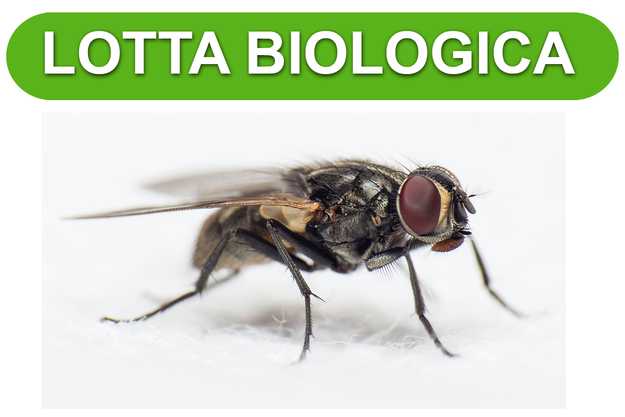
Biological Control with FLY MIX or fly parasitoids Spalangia Cameroni and Muscidifurax Spp
These insects, harmless to the environment and animals, but fierce enemies of fly larvae, insert their larvae into fly larvae, effectively preventing flies from regenerating. This must be repeated every 28/30 days approximately to interrupt the flies' life cycle (from April to September or later depending on the areas). Treat all areas where you see small midges on walls or fly larvae on the ground (remember that stables must be treated along the perimeters of the bedding, as well as horse stalls and manure heaps), stalls where civilian waste is left under and inside bins, free areas, planters and flowerbeds, and all areas where you think flies are hatching.
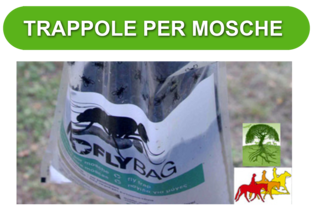
hang FLY TRAP traps about 15/20 m from the stable/barn etc., which once full are thrown away or washed and reused with a refill. These will not start attracting insects immediately, but if placed according to the instructions, they will start as soon as the flies move. Furthermore, we create areas where we will attract flies to then render them harmless with attractive baits.
See the traps and baits here. Disposable FlyTraps available as well as reusable ones with refills.
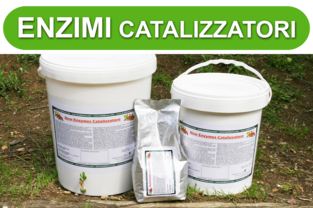
this is achieved in two phases: first keep clean: waterers, feeders (even outdoors), areas around manure heaps, remove old cobwebs (because flies use them to hatch their eggs) and remove dust as much as possible; if you have planters around the house or even small flowerbeds, keep the soil turned.
Secondly, use CATALYST ENZYMES to treat bedding and the environments where animals live: in fact, enzymes, creating the ideal condition for the bacteria that make up the bedding to multiply and do their job, digest organic matter and prevent the formation of ammonia and fermentative excesses, creating an unfavorable condition for fly eggs and larvae to settle. If you have dogs or cats, you can treat their litter and also the “areas where they relieve themselves”, avoiding smells and avoiding flies.
The new bedding with Catalyst Enzymes must be created and can be maintained for about a year and then renewed.
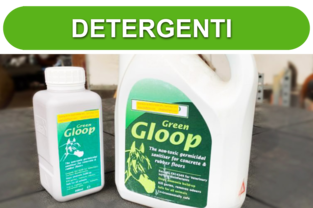
wash corridors and appurtenances with diluted GREEN GLOOP, such as balconies, under stairs and all areas where you put waste; you can also use it to wash the bins.
Green Gloop is a germicidal cleaner, non-toxic for concrete and rubber floors.
we have started the treatments in time; from late April we must also work outside, always to reduce the number of insects. FLY TRAP traps placed around the property and near manure heaps work well. To assist them, there are flypapers in all their different shapes.
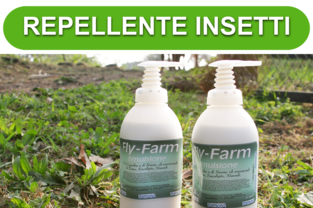
Animals too: from May we must also treat the animals with our natural products; in fact, FLY FARM, diluted and sprayed on the animals, or concentrated only directly on the most sensitive parts, creates a repellent effect.
In indoor environments we can work against flies and insects: LIGHT TRAPS are compliant for all premises, even where food is served, because they glue and do not electrocute flies. The use of FLYPAPERS with special cords completes the work.
Fly Farm natural repellent keeps horseflies, mosquitoes, flies, and gnats away. It can be used both as a cream or diluted.
The protocol is a series of measures and operations to be carried out, in this case to eliminate or significantly reduce flies in a specific location.
There are different types of flies, but they all more or less have a fairly similar life cycle: to achieve good control we must act on multiple levels with a certain consistency and precision precisely to prevent them from: hatching, living, establishing themselves in an environment, and creating niches to reproduce. Here is the protocol.
Stay tuned! More products will be shown here as they are added.
check_circle
check_circle