No products available yet
Stay tuned! More products will be shown here as they are added.

| Month | 2026 Shipping Dates |
|---|---|
| April | April 15 - April 29 |
| May | May 13 - May 27 |
| June | June 10 - June 24 |
| July | July 8 - July 22 |
| August | August 5 - August 20 |
| September | September 3 - September 16 - September 30 |
| October | October 14 - October 28 |
starting early means beginning treatments before colonies establish: it depends on your location, but in any case, you should always start in April (or earlier) with all of these combined actions:
Biological Control with FLY MIX (fly parasitoids Spalangia Cameroni and Muscidifurax Spp)
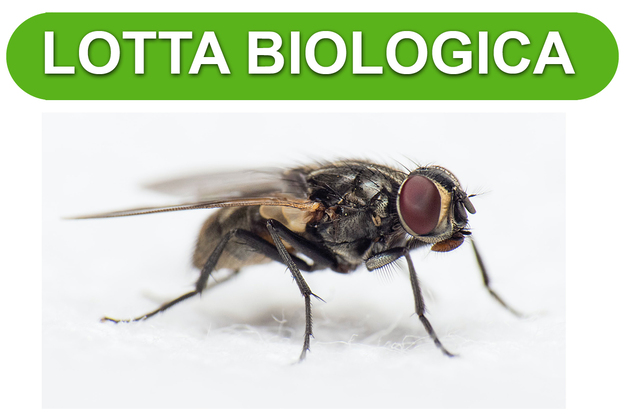
These insects, completely harmless to the environment and animals but fierce enemies of fly larvae, insert their own larvae into fly pupae, effectively preventing the flies from regenerating. This action must be repeated roughly every 28/30 days to disrupt the fly's life cycle (from April to September or longer depending on the region) (see videos for residential areas and animal facilities). Treat all areas where you notice small gnats on walls or fly larvae on the ground (remember that barns must be treated along the bedding perimeters, as well as horse stalls and manure piles), waste storage boxes underneath and inside dumpsters, open ground areas, flower beds, and any spot where you suspect fly breeding occurs.
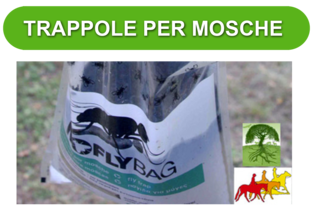
Hang FLY TRAP systems around 15 to 20 meters away from the stable/barn, etc. Once filled, these can be discarded or washed and reused with a specific refill pack. They will not attract insects immediately, but if placed according to the instructions, they will start working as soon as the flies begin to move. Additionally, we create specific attraction zones to draw flies in and render them harmless using bait.
See the traps and baits here. Disposable FlyTraps are available, along with reusable models featuring refills.
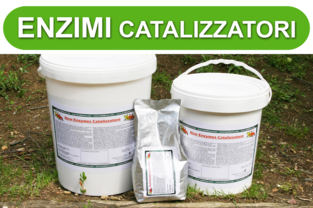
This is achieved in two distinct phases: first, maintain strict cleanliness across waterers, feeders (including outdoor ones), and the edges of manure piles; clear out old cobwebs (as flies use them to hatch eggs) and eliminate as much dust as possible. If you have planters or small flowerbeds around the house, keep the soil turned. Secondly, use ENZYMES CATALYST to treat the bedding and animal living environments. By creating the ideal conditions, these enzymes allow beneficial bedding bacteria to multiply and perform their job: digesting organic matter. Because they prevent ammonia formation and excessive fermentation, they create highly unfavorable conditions for fly eggs and larvae to settle. If you have dogs or cats, you can treat their litter and waste areas to eliminate odors and flies completely.
The new bedding with Catalyst Enzymes must be established and can be maintained for roughly one year before being completely renewed.
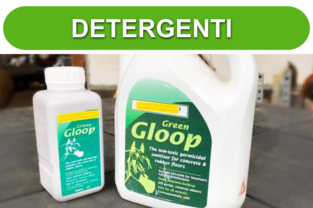
Wash corridors and dependencies like balconies, under-stairs spaces, and all waste collection zones with diluted GREEN GLOOP. It can also be safely used to wash out dumpsters and trash bins.
Green Gloop is a non-toxic germicidal cleaner for concrete and rubber flooring.
We have started the treatments early; from late April onward, we must also work outdoors to continuously drive down insect numbers. FLY TRAP systems placed along property boundaries and near manure heaps perform exceptionally well. To assist them, a wide variety of fly tapes and sticky sheets can be deployed.
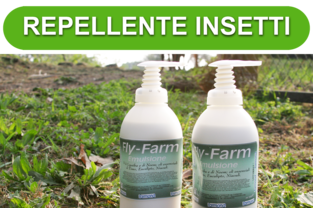
Protecting the animals: Starting in May, we must also apply treatments directly onto the animals using our natural products. Indeed, FLY FARM—sprayed on the animals when diluted, or applied concentrated directly to the most sensitive areas—creates a highly effective repellent barrier.
Indoor fly and insect management: Our LIGHT TRAPS comply with safety regulations for all premises, including food handling environments, because they catch flies on sticky boards rather than electrocuting them. Using Fly Sticky Tapes with dedicated cords completes the control strategy.
Fly Farm natural repellent deters horseflies, mosquitoes, flies, and gnats.
Can be used both as a cream or diluted.
The protocol is a comprehensive series of measures and operations to be carried out, engineered to completely remove or significantly reduce flies in a specific location.
Different types of flies exist, yet they all share a fairly similar life cycle. To achieve excellent control, we must act across multiple structural levels with consistency and precision, preventing them from hatching, surviving, establishing in an environment, or creating reproductive niches.
Here is the protocol
Stay tuned! More products will be shown here as they are added.
check_circle
check_circle